- type
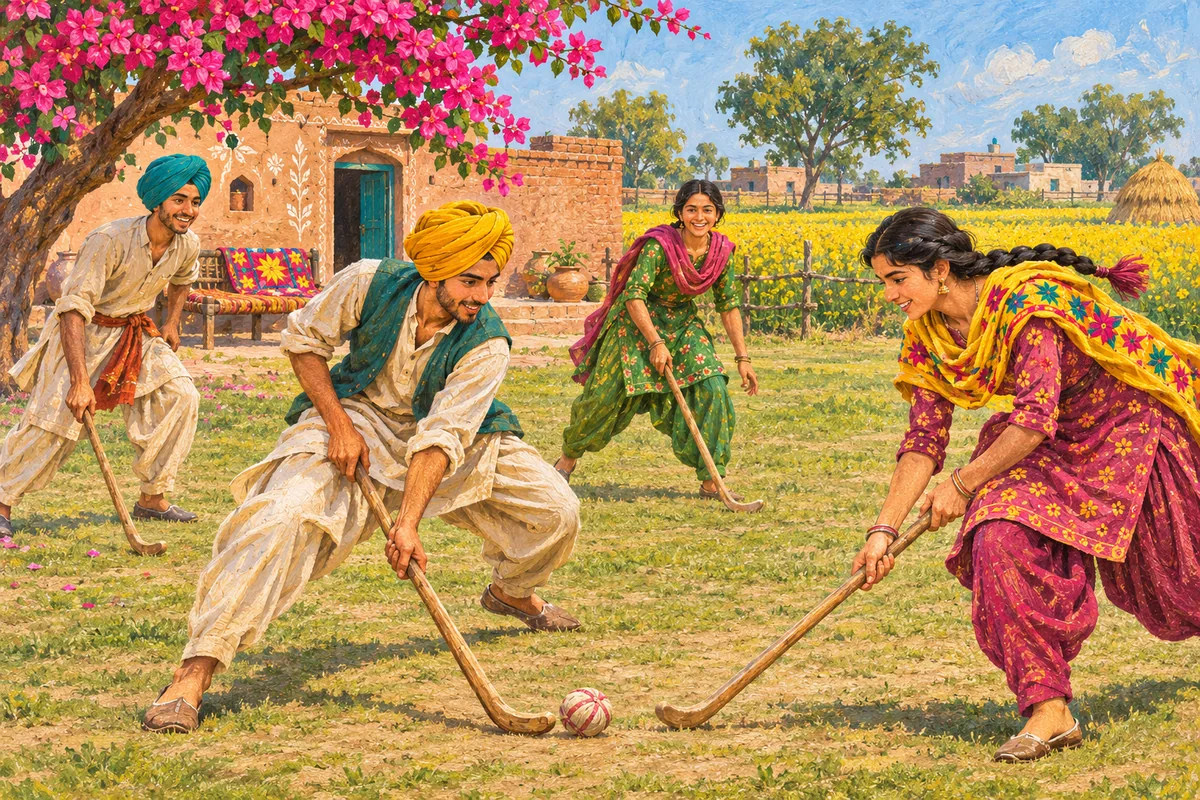
- Traditional stick-and-ball game
- players
- Local numbers not established in the cited records
- equipment
- Local stick-and-ball equipment; record the remembered form
- setting
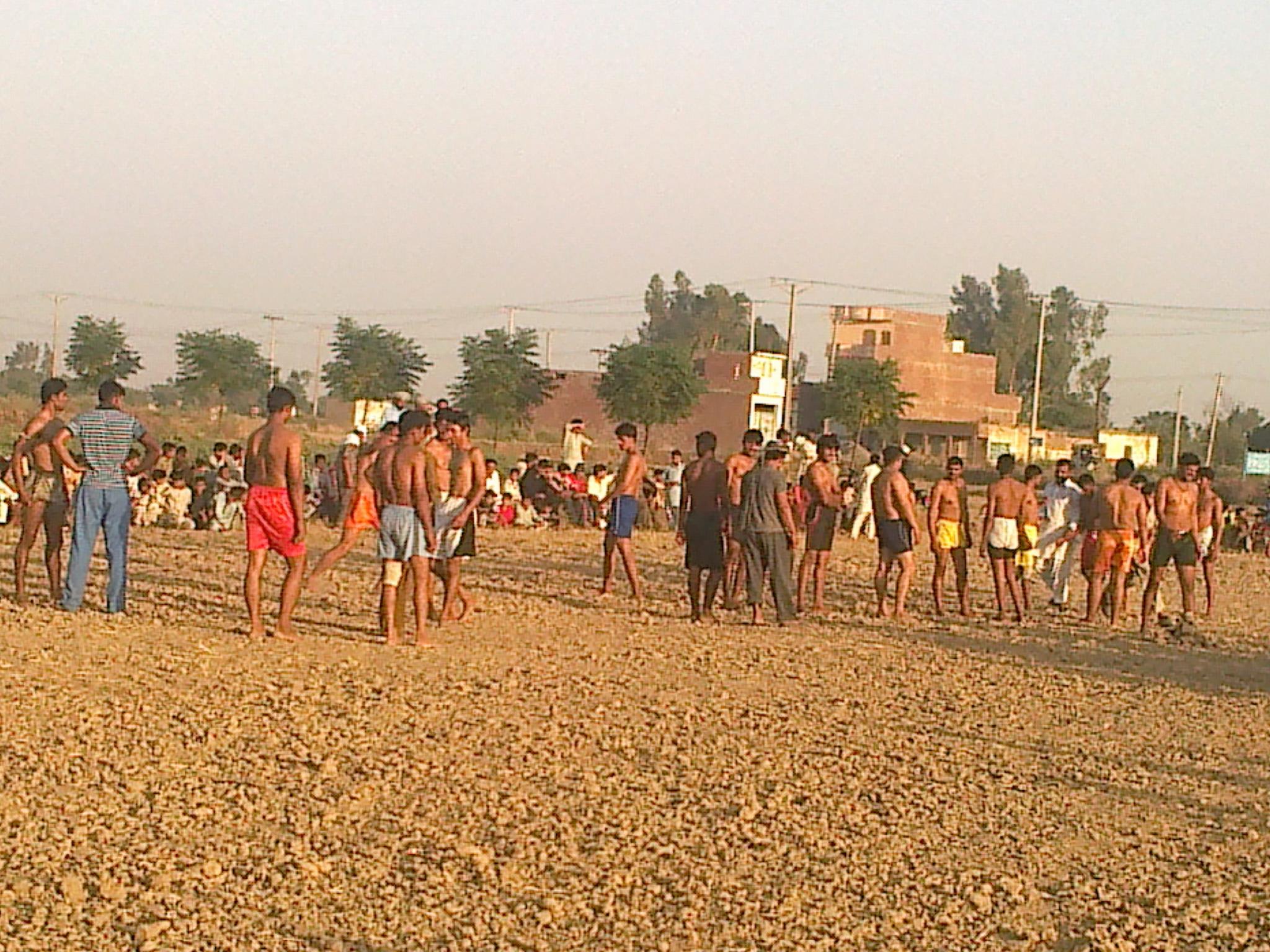
- Village playing ground
Khido khoondi da naa Punjab di khed-sabhyachar di taleemi likhat vich milda ae ate is nu hockey vargi lok-khed keha janda ae. Par ajj di hockey de saare asool pichhe la ke purani khed da rulebook nahi ban janda. Khido kis cheez di si, khoondi kis ne banai, goal kiven nishan hunda si ate jitt kiven hundi si, eh sawaal purane khidari kolon puchho. Tasveer, maidan da naqsha ate hauli demonstration bahut kam de ne. Ajj da adapted match apne naa naal darj karo. Kai pindan de sahi, naa samet darj roop ikk banawati saanjhe rulebook ton vadh keemti honge.
Pind te ilaqe mutabiq naa ate asool badal sakde ne. Apni riwayat sanjhi karde hoye thaan, samaa ate sikhaun wale bande da naa daso. Tafseeli lekh de hawale vi parho; ajj di tabdeeli nu purani riwayat ton vakh pachhano.
Poora khoj lekh — English
Khido khoondi, also rendered khuddo khoondi, appears in university-level teaching material on Punjab’s sports culture as a traditional game similar to hockey. Punjab School Education Board’s folk-games chapter also includes the name among games played locally. These records support its place in the sporting heritage; they do not supply one complete modern competition code.
It is tempting to explain an older game by taking the rules of present-day field hockey and working backwards. That shortcut can erase what made a particular village version different. A locally made ball, the shape of a stick, the size of the field and the way sides were formed all need a player’s account or a more specific record.
For someone who remembers the game, begin with concrete details. What was the khido made from? Who shaped or found the khoondi? Was there a marked goal, how were points counted and what ended a game? A drawing of the ground and a demonstration of one movement can preserve knowledge that a general label such as “old hockey” does not.
For a reunion, a school heritage session or a filmed interview, start with an object-and-memory demonstration rather than inventing an official match. If people want to play, a trained organiser can agree a low-contact adapted format with suitable equipment and space. Label that format as today’s adaptation, and keep the elder’s remembered version beside it.
The unanswered details are an opportunity for participation. Readers who played khido khoondi can help the archive grow by naming a village, an approximate decade and the people they learnt from. Several carefully credited local versions would be more valuable than a confident rulebook that nobody in the community recognises.