- type
- Equestrian precision sport
- players
- Individual, pairs or team classes according to the event
- equipment
- Trained horse, riding equipment and approved targets/weapons
- setting
- Designated equestrian course
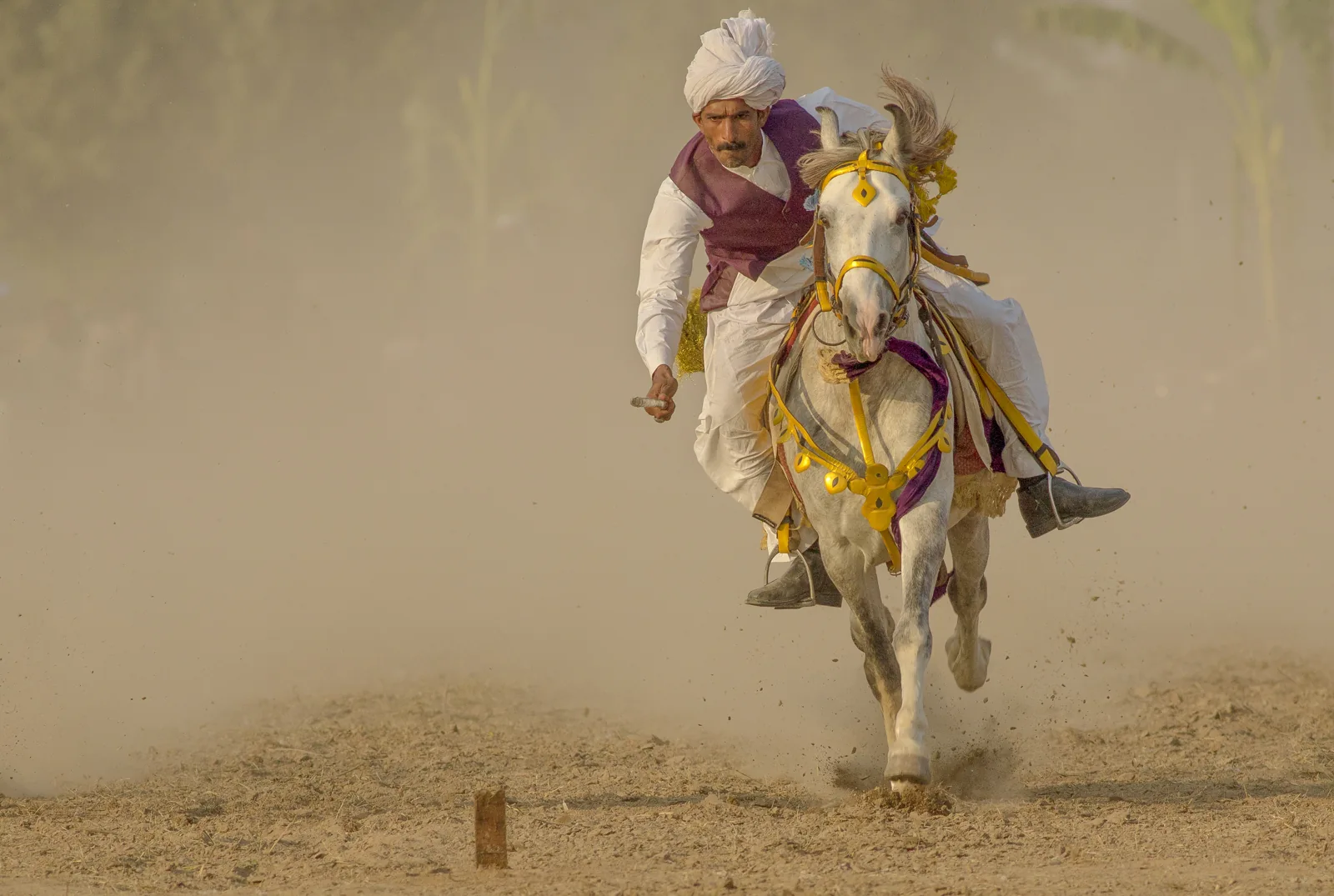
Tent pegging vich sawaar da nishana zameen utte lagga peg ho sakda ae, jis nu neza jaan talwaar naal chukk ke agge lai jana hunda ae. Ring ate lemon wale mukaable is naal jurre hunar ne, par unhan de nishane te asool vakh hunde ne. Programme kolon pata karo ke run neza da ae jaan talwaar da, ikk sawaar da ae jaan team da. Sirf takkar nahi, nishana chukkan te kinne faasle tak lai jaan da amal vi score vich aham ho sakda ae. Ghora sambhalan wale, trainer te naal laun wale da kam vi kahani vich aave. Darshak muqarrar thaan utte rehan.
Pind te ilaqe mutabiq naa ate asool badal sakde ne. Apni riwayat sanjhi karde hoye thaan, samaa ate sikhaun wale bande da naa daso. Tafseeli lekh de hawale vi parho; ajj di tabdeeli nu purani riwayat ton vakh pachhano.
Poora khoj lekh — English
In tent pegging, the target may be small, but the task combines the movement of horse and rider at speed. The Equestrian Federation of Pakistan describes a mounted rider using a lance or sword to pierce, lift and carry a ground target. Neza bazi is a familiar name around Punjabi riding grounds; the exact programme should still identify the discipline being contested.
Not every striking photograph shows the same event. The equestrian federation also describes ring and lemon exercises within the wider family of skills. A ground peg, a suspended ring and a lemon are different targets requiring different actions. The International Tent Pegging Federation’s rules provide the formal reference for competitions using its framework.
The competition schedule matters because it sets the target’s dimensions, the course and timing conditions, and the standard for a successful strike or carry. A run is therefore more than “hit the peg”. Watch the rider’s approach, the alignment at the target and what happens after contact. A target lifted briefly may not satisfy the same scoring requirement as one carried the prescribed distance.
At a first visit, stay in the spectator area and ask which runs use lance or sword, whether the class is individual or team-based, and where the official results will appear. The most informative programme connects the rider to a horse, club and discipline, instead of treating every riding display as an interchangeable cultural image.
This is a trained equestrian sport. A newcomer should begin with a qualified riding instructor and suitable horse-care arrangements, rather than trying a weapon-and-gallop exercise alone. Good cultural coverage includes grooms, farriers, trainers and the horse’s preparation: the care around the run is part of the sporting story.