- type
- Martial art and competitive sport
- players
- Individual and team events; organiser-defined categories
- equipment
- Practice or competition equipment specified by the instructor and rules
- setting
- Akhara, training hall, cultural gathering or competition
Gatka vich faasla, taal, pairan di chaal ate bachaao aham ne. Eh Sikh virse naal gehra juria ae te sabhyacharak peshkari jaan rasmi khed de mukaable vich nazar aa sakda ae. Donan thavan de saaz, ijazat wale daav ate faisle iko jehe mann ke na chalo. Federationan Single Soti ate Farri-Soti vargian shrenian dasdian ne, par category layi event de apne organizer nu parho. Peshkari vekhde ustad, akhara ate sikhlai di riwayat bare puchho. Shuruaat tarbiyat-yafta instructor ate munasib hifazati saaz naal hove. Is virse di kahani vich zubaan, ustad ate community da maqsad vi shamil ae.
Pind te ilaqe mutabiq naa ate asool badal sakde ne. Apni riwayat sanjhi karde hoye thaan, samaa ate sikhaun wale bande da naa daso. Tafseeli lekh de hawale vi parho; ajj di tabdeeli nu purani riwayat ton vakh pachhano.
Poora khoj lekh — English
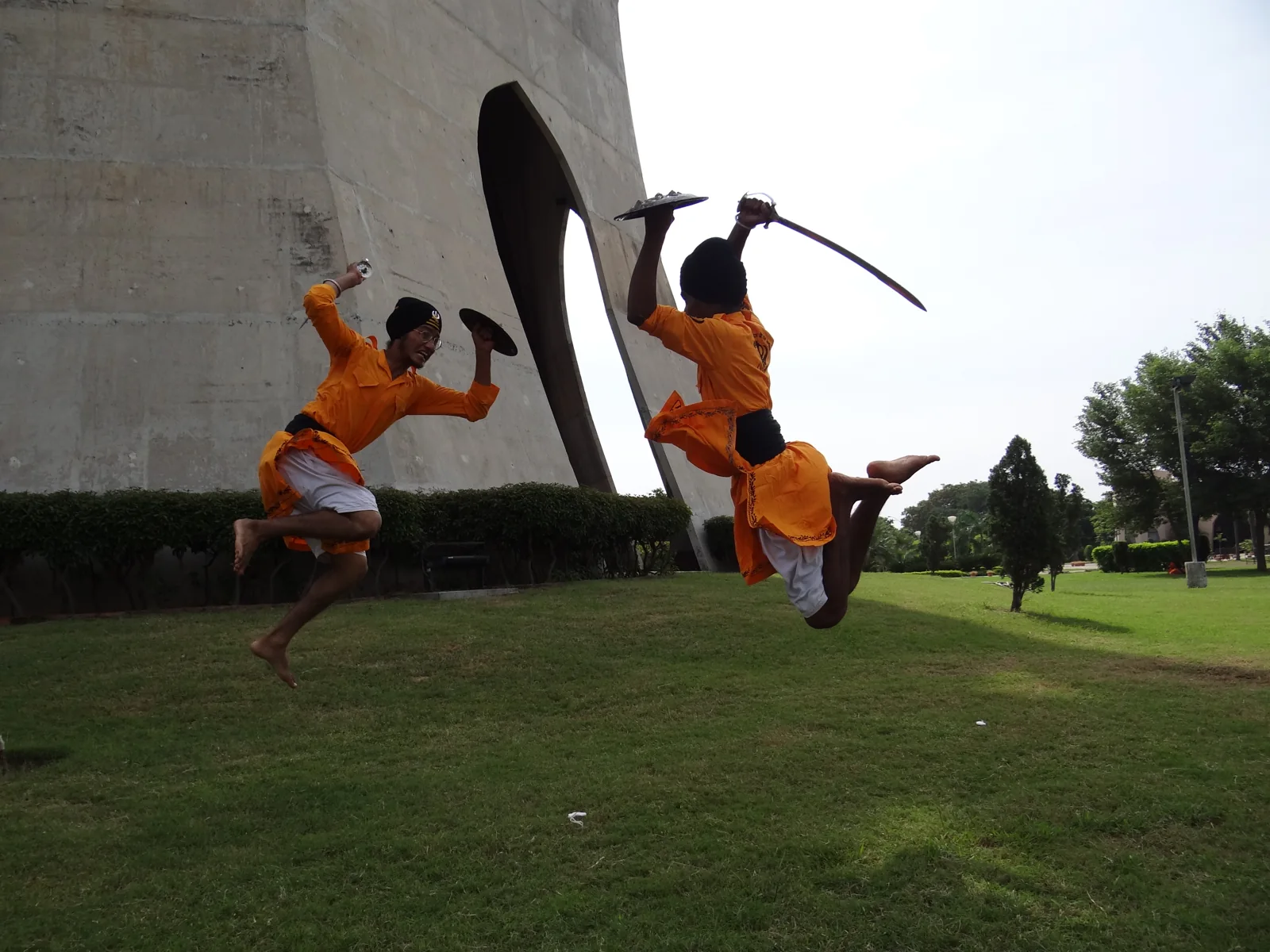
Gatka joins movement, timing and defensive skill with a Punjabi martial tradition strongly associated with Sikh heritage. It can be encountered as a demonstration at a cultural or religious gathering, or as a structured sporting competition. Those are related settings, but the equipment, permitted actions and judging need to be understood in context.
The National Gatka Association of India’s published framework distinguishes Single Soti and Farri-Soti events, with individual and team formats and different techniques. The Gatka Federation of India also publishes age and event categories. These organisations do not present identical category tables, which is a reason to consult the event’s named organiser rather than treat one internet summary as a universal code.
The World Gatka Federation’s rules overview describes an approach of defence followed by attack and identifies equipment standards, conduct, scoring and referee responsibilities as parts of a competition framework. That is a useful lens for a newcomer: look for control, distance, footwork and the response to an opponent, rather than expecting a display of uncontrolled aggression.
At a demonstration, ask what is being shown and who has taught the performers. At a tournament, ask which federation’s regulations apply, how the category is defined and where the official results will be published. A programme that names the school or akhara, coach and discipline helps preserve the people behind the performance.
Beginners should learn through a trained instructor, with the practice equipment and protection required for the session. A ceremonial display involving weapons is not an invitation to imitate it without instruction. The tradition also deserves space for its vocabulary, teachers and community meaning; reducing it to an impressive slow-motion clip misses much of what practitioners are passing on.