Heer Ranjha de kai likhti te zubaani roop ne. Damodar, Muqbal te Waris Shah ne is qisse nu aapo apna rang ditta. Eh saadi chhoti gadd-roop peshkaari hai, do lokan di tasdeeqshuda jeevni nahi. Takht Hazara ton ghar de jhagre baad niklya Ranjha Jhang pahunchda hai te Heer de parivaar de dangar charaunda hai. Donan da pyaar ghar di taqat, viaah de faisleyan te lok-laaj naal takraaunda hai. Judai, jog te mur milan di aas ton baad mashhoor kahani dukhaant vich mukdi hai. Par Heer sirf maut di kahani nahi. Eh kam, mazaak, boli te samaj de rangaan naal bhari hoi hai. Parhde hoye puchhiye: faisla kis da chalda hai, te izzat de naa utte kise di apni marzi kyon guaach jandi hai?
Poora khoj lekh — English
The story we are telling
Heer Ranjha is a Punjabi qissa with many literary and oral versions. Damodar, Muqbal and Waris Shah are among the poets associated with its retelling. What follows is an original, condensed prose account of the familiar narrative, not a translation of a modern edition and not a claim that every event can be verified as biography. Local traditions preserve places and names, while the written versions differ in detail.
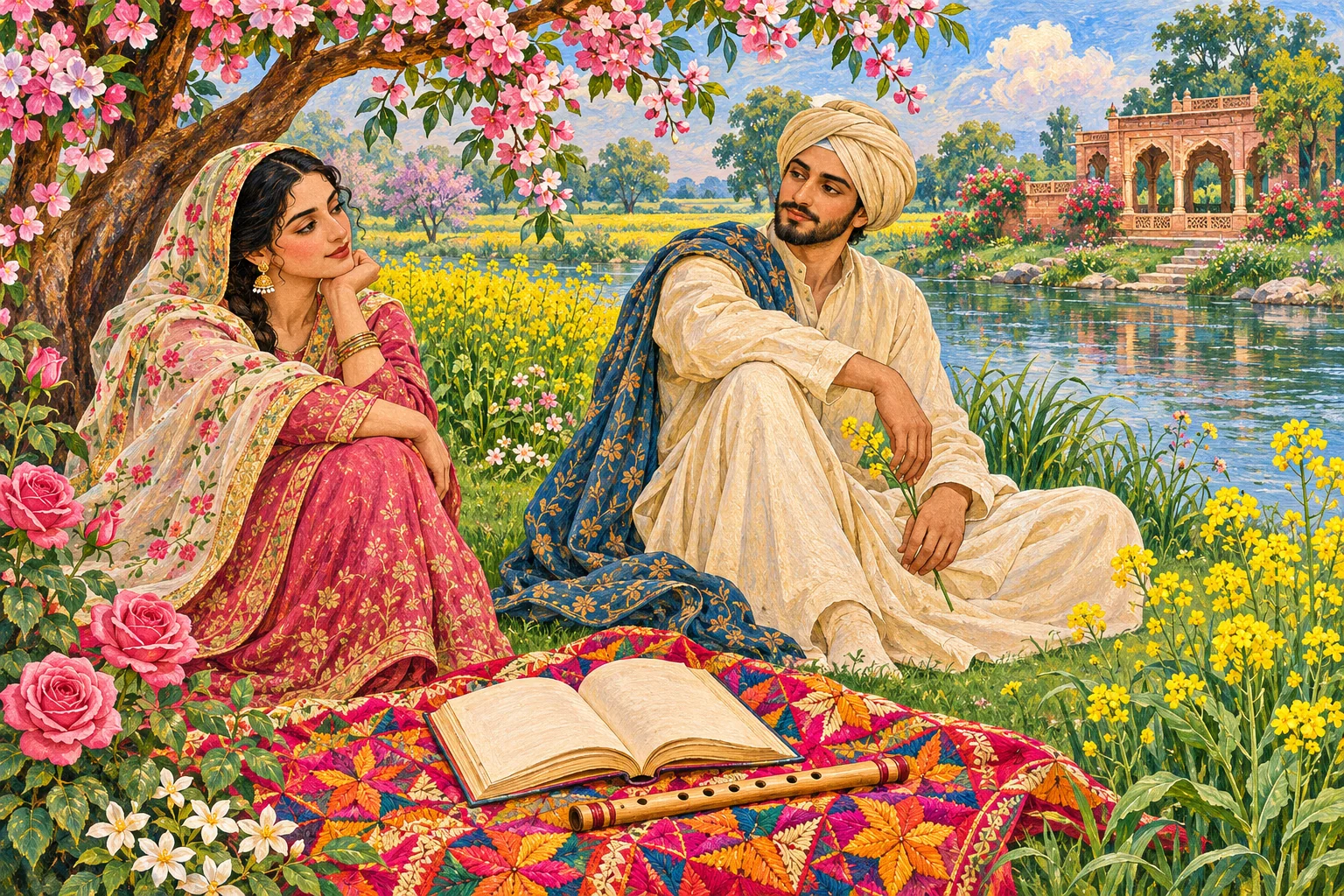
Ranjha, the youngest son in a family at Takht Hazara, leaves home after conflict over the household and land. His wandering brings him towards Jhang, where Heer belongs to an influential Sial family. He enters the family’s world through work with its cattle. A flute, a landscape and repeated meetings become the setting for a relationship that the surrounding household will not easily accept.
Love meets the power of a household
Heer and Ranjha’s attachment threatens expectations about family authority, marriage and reputation. In familiar tellings, Heer is married elsewhere while Ranjha becomes a wandering jogi. The change in his appearance does not settle the question of attachment. The lovers seek ways to meet again, and the story moves through separation, argument, disguise and the hope of recognition.
Its tragic ending is widely remembered: the possibility of union is destroyed, Heer is poisoned, and Ranjha dies beside her. Exact sequences and responsibilities vary between versions. A retelling should name the version it follows when giving a precise detail, rather than combining every popular memory into a supposed original. Here the ending is acknowledged without turning the manner of death into a romantic ideal.
Why the poem is larger than its plot
Waris Shah’s Heer opens with praise of God and with love as a foundational idea. The poem’s world contains work, bargaining, religious language, rivalry, humour and social observation as well as longing. To read it only for the lovers’ deaths is to miss the crowded society through which they move. A performance can slow down a single scene until its words become a portrait of a way of life.
One useful reading question is whose decision counts. Does a household protect a young person or control them? What happens when the wish to preserve reputation takes priority over the person supposedly being protected? These questions are interpretations offered by this reading room, not proof that every Punjabi household in a historical period behaved in the same way.
Carry the story carefully
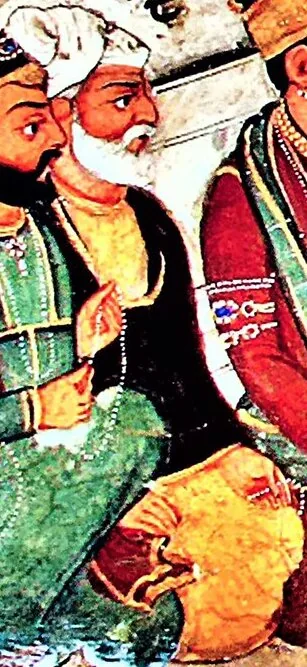
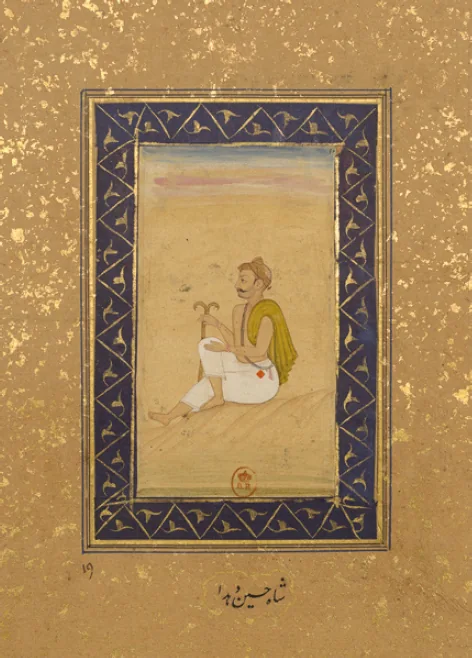
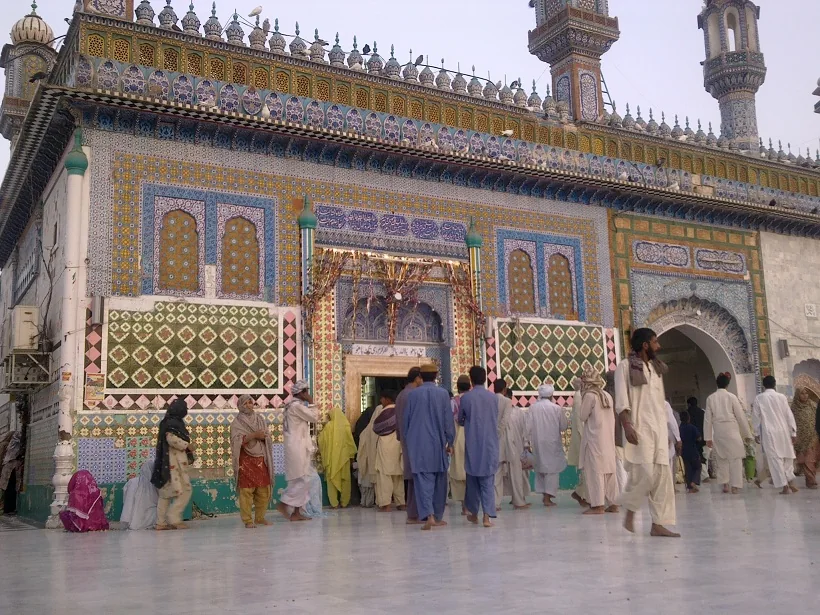
Heer can be read, sung and discussed across the border because its language and questions remain recognisable. When sharing a favourite line, name the poet and edition where known. An illustration of the lovers is an artist’s imagined scene; a shrine photograph is a photograph of a place associated with the tradition. Neither establishes every episode as fact.
Read the qissa with attention to its beauty and its costs. The story invites discussion of consent, the pressures placed on women, spiritual longing and the voices allowed within a community. It need not teach that love is made valuable by death. It can instead make us ask what kind of world would allow its people a more generous ending.