- Shayar
- Sultan Bahu
- Period
- c. 1630–1691
- Origins
- Shorkot region, in traditional biographies
Allah chambe di booti mere mann vich murshid laai hu.
— Sultan BahuAbyat-e-Bahoo, opening baytKitaaban te rachnavan
▤ Abyat-e-Bahoo▤ Ain-ul-Faqr▤ Nur-ul-HudaSultan Bahu da naa Jhang-Shorkot de ilaqe ate Punjabi Sufi kalam naal jurda ae. Unhan di dargah Garh Maharaja kol Chenab de nazdeek darj ae. Abyat-e Bahu bare khoj Punjabi ate Farsi likhat, siharfi di banawat, Rabb di yaad, nimrata ate pakhand di tanqeed wal dhyaan dindi ae. Eh Islami te Sufi soch lokan di apni boli vich gall kardi ae. Janam de saal bare hawale vakh ho sakde ne. Ghar vich sunia tukra poore band naal milao; gaun wala bol duhra jaan chon sakda ae. Kitab da naa, editor ate performer nu alag darj karna samajh nu hor pakka karda ae.
Eh Punjabi saar poore lekh wal jaan da pehla raah ae. Tafseeli Angrezi khoj, kitabaan de naa ate hawale hethaan ne. Kalam parhde jaan sunde hoye chhapi edition, tarjuman ate gaun wale nu vakh vakh pachhano; mashhoor hon naal har tuk di nisbat pakki nahi ho jandi.
Poora khoj lekh — English
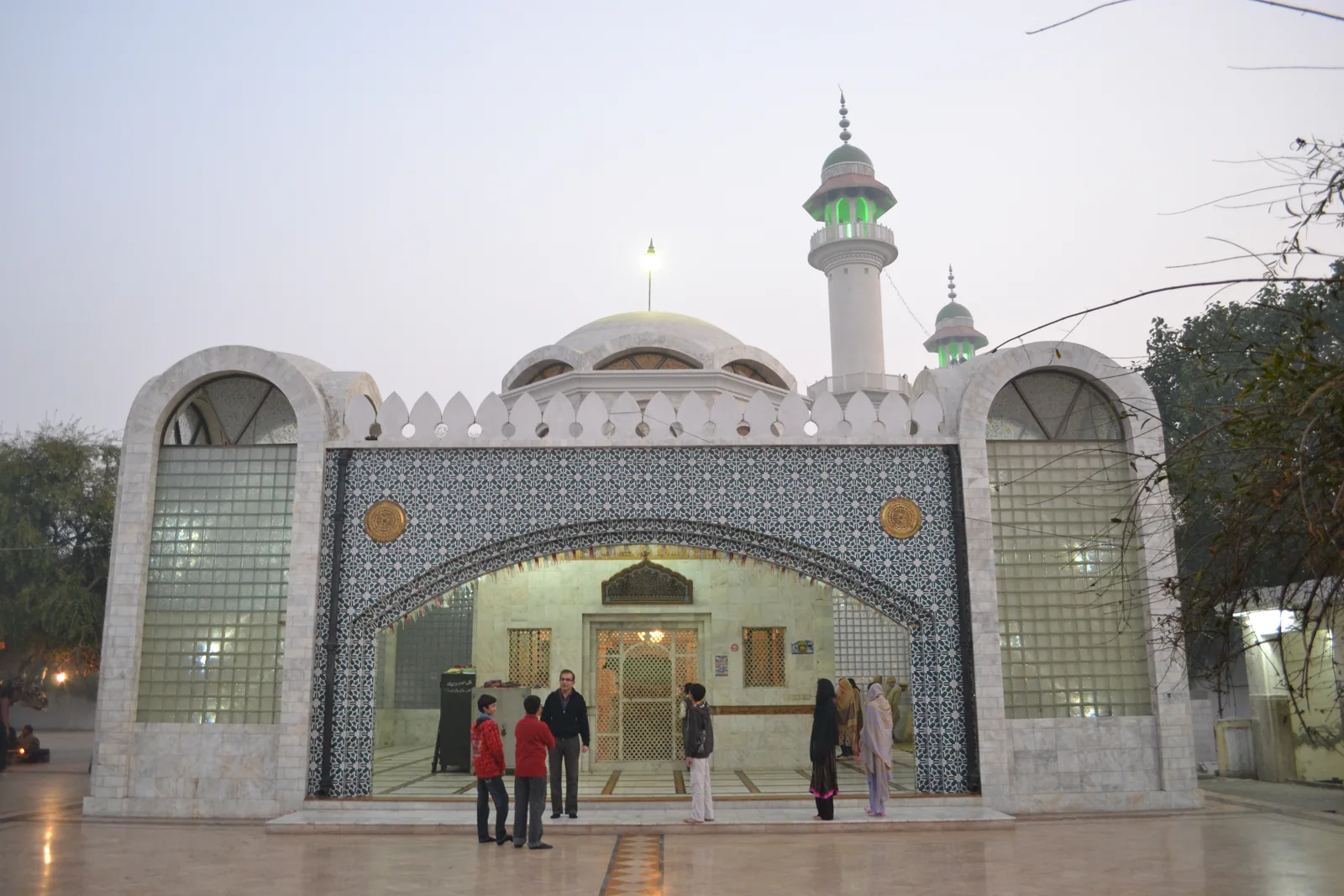
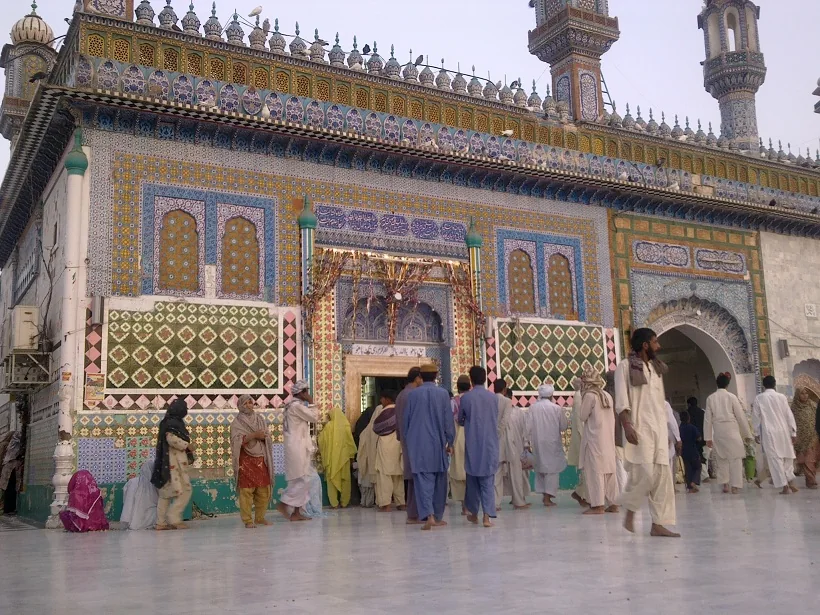
Sultan Bahu is associated with the Jhang–Shorkot landscape and with Punjabi Sufi writing. Sources give different birth years, commonly around 1628 or 1629; 1691 is the usual death year in the university references used here. His shrine is documented by Pakistan’s archaeology department near Garh Maharaja in Jhang district, close to the Chenab. A heritage record locates the place; devotional descriptions of its power belong to the beliefs of those who visit.
A 2026 study in Punjab University’s Oriental College Magazine examines the religious and spiritual dimensions of the Abyat-e Bahu. It describes a writer working in Punjabi and Persian and gives particular attention to the siharfi form, in which the alphabet helps organise the poetry. Its thematic reading emphasises remembrance of God, humility, moral conduct, spiritual guidance and criticism of hypocrisy. These are specifically Islamic and Sufi concerns, expressed through Punjabi rather than a language remote from the listener.
Allama Iqbal Open University’s historical study guide also places Bahu within the wider Punjabi Sufi tradition and notes the circulation of his verse through sung genres. Reading the poems and hearing them performed are related experiences, but neither makes the other unnecessary. A singer may select, repeat or arrange lines in a way that requires the printed edition to be identified separately.
Begin with the name of the work, its editor and the performer. Ask how the poem moves from an image toward an ethical or spiritual demand, and whether an English explanation preserves that movement. A shared reading can welcome a newcomer without pretending the text has no religious home. For people who know the kalam from family gatherings, the next step may be finding the full stanza and learning what comes before and after the familiar passage.