Heer Ranjha de anek bayan ne; Waris Shah di 1766 di Heer unhan vich ik vadda adabi roop ae. Premian de agge parivaar ate samaj de bandobast rukawat bande ne, par chhoti plot-sunai poore kalam di boli nahi de sakdi. Jhang vich Heer naal jurria maqbara lok-yaad da saboot ae, har gall-baat de vaqai vapran da nahi. Vakh ilaqian ate kalavan vich qissa apni awaaz labhda ae. Ikk scene de do credited roop parho te puchho kaun bolda, kis di daleel suni jandi ate narrator kithe mazaak jaan hamdardi karda ae. Ghar di sunvai di yaad nu yaad vajon hi sanjha karo.
Eh Punjabi saar poore lekh wal jaan da pehla raah ae. Tafseeli Angrezi khoj, kitabaan de naa ate hawale hethaan ne. Kalam parhde jaan sunde hoye chhapi edition, tarjuman ate gaun wale nu vakh vakh pachhano; mashhoor hon naal har tuk di nisbat pakki nahi ho jandi.
Poora khoj lekh — English
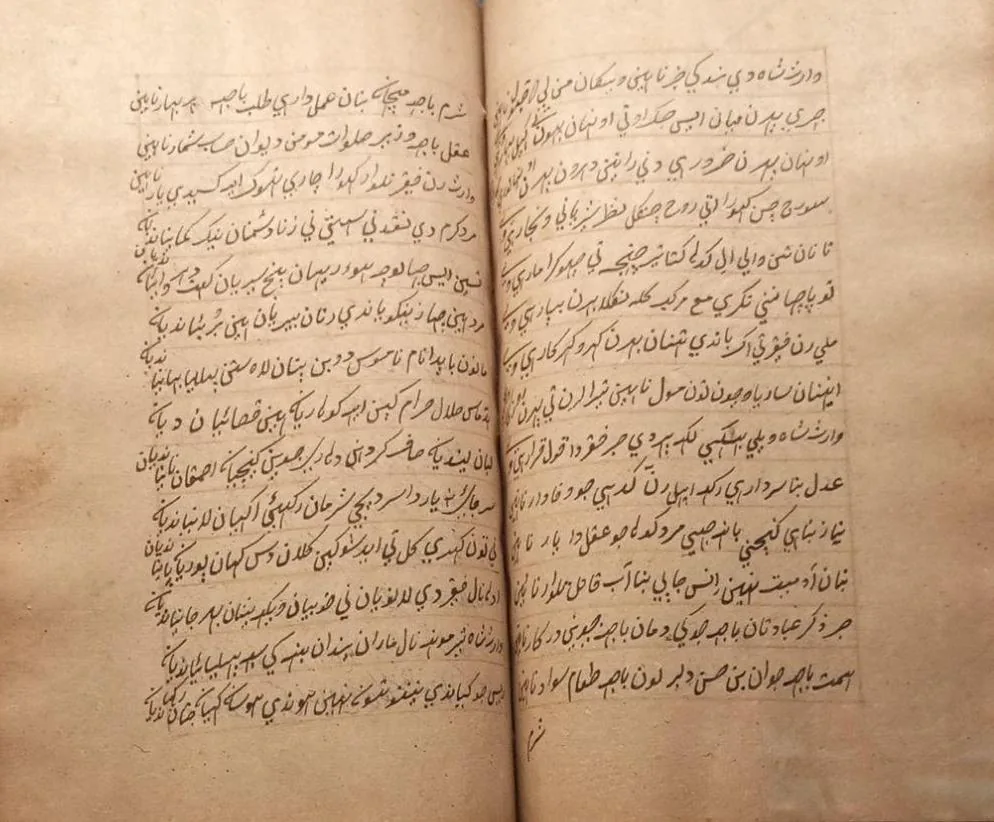
Heer Ranjha is a Punjabi narrative tradition with many tellings. Waris Shah’s famous 1766 work is one major literary version, not the beginning or the only possible form of the story. In its simplest outline, the lovers confront the social and familial arrangements that stand between them. A short plot summary can introduce the names, but it cannot stand in for the language, scenes and arguments of a full qissa.
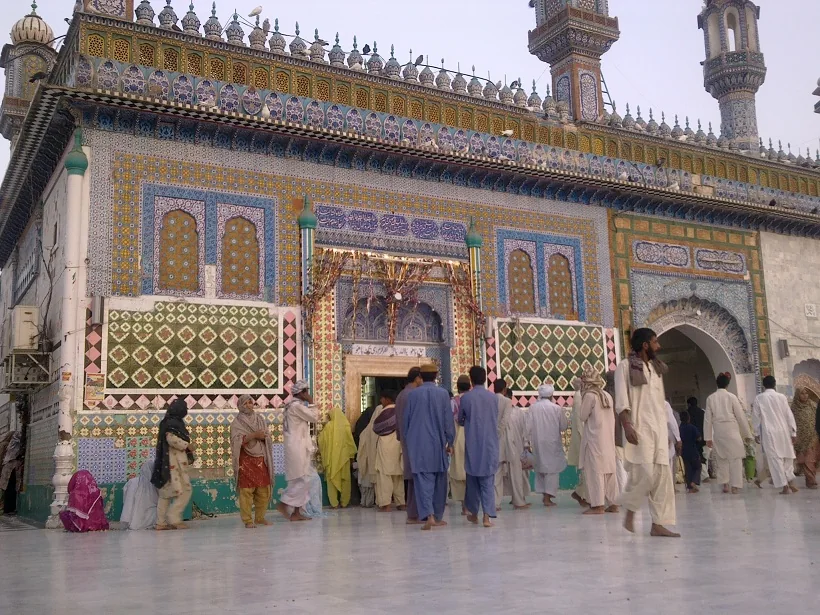
Place is part of the tradition’s power. Jhang’s government heritage directory records the tomb associated with Mai Heer and also acknowledges uncertainty about details within the received story. Such a site tells us that people remember and honour a narrative in that landscape. It does not turn each episode, conversation or claimed date into established history.
The British Library’s Endangered Archives catalogue documents a telling in the Komal Kothari collection at Rupayan Sansthan, describing Ranjha as a flute player and cattle herder. The record is a reminder that a story can circulate through regions, languages, manuscript or typescript collections and performance. Different tellings deserve identification rather than being quietly merged into one supposed original.
For a reading group, compare a single scene in two credited editions or recordings. Who gets to speak at length? What reasons are offered by the family, lover or authority figure? Where does the narrator seem sympathetic, ironic or critical? These are reading questions, not claims that one modern interpretation exhausts the work.
A personal memory of hearing Heer at home can add another layer: who sang, where people sat, and which words a child did not yet understand. Label that contribution as memory. Literature, an associated place and a listener’s experience can enrich one another while remaining different kinds of evidence.