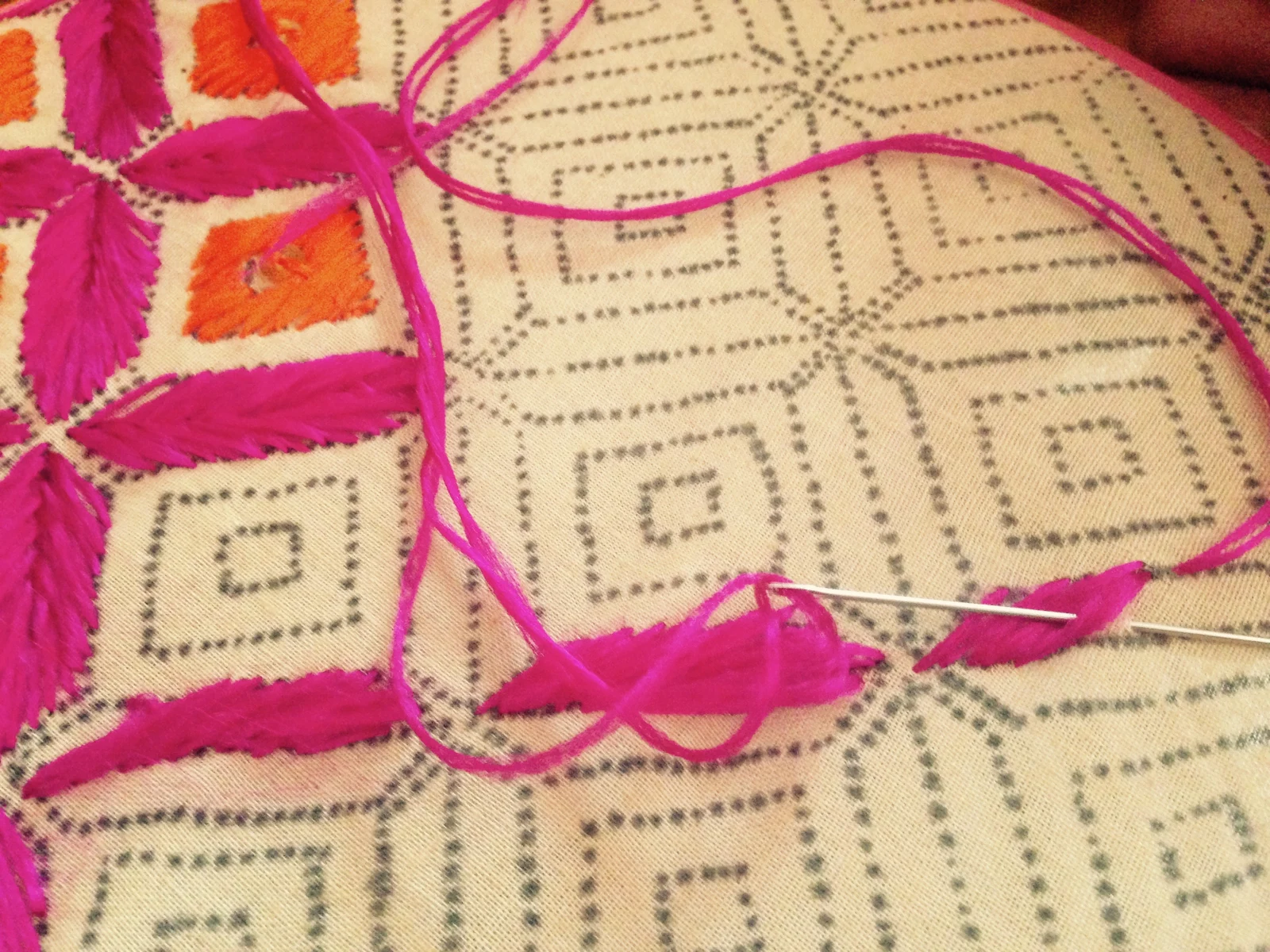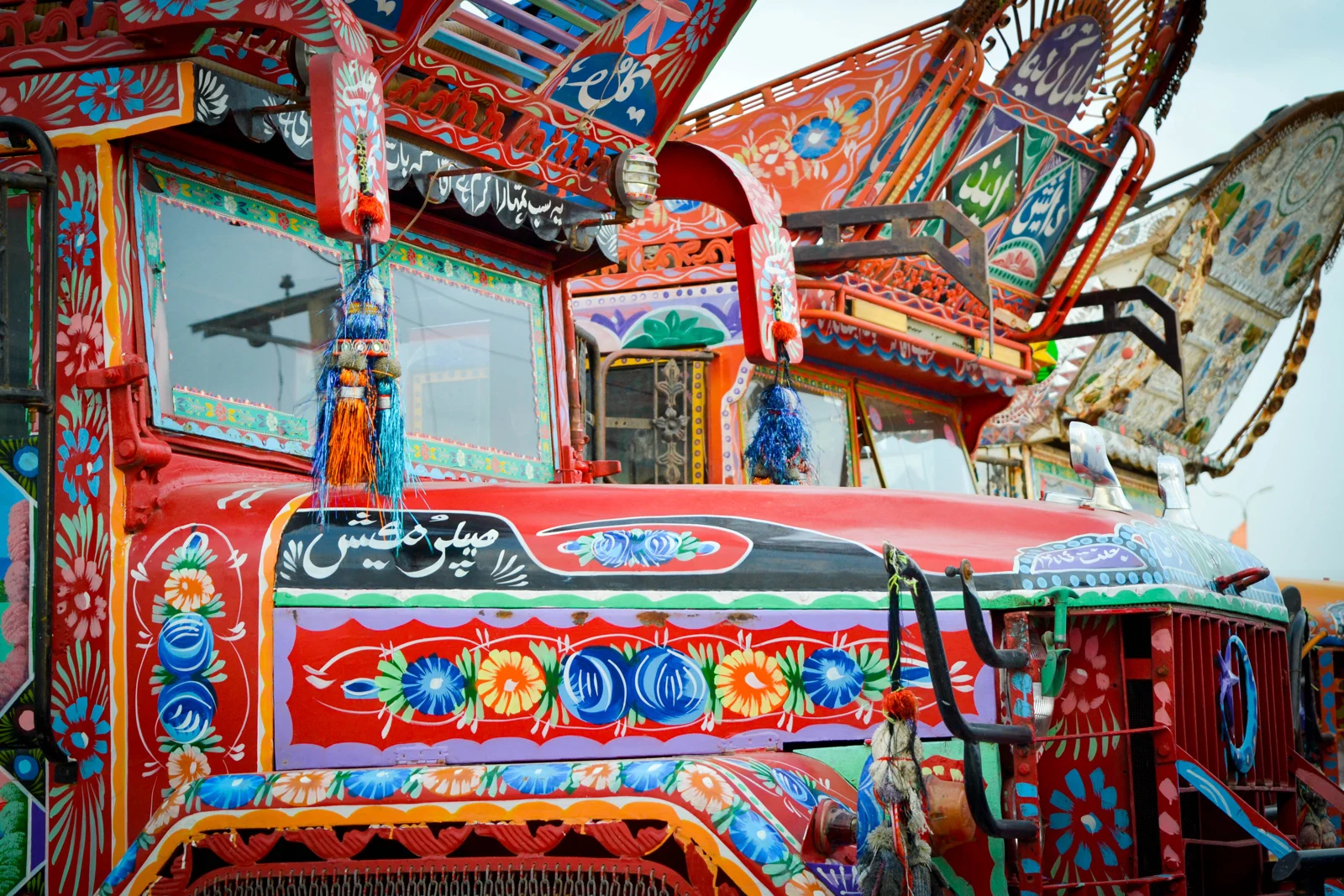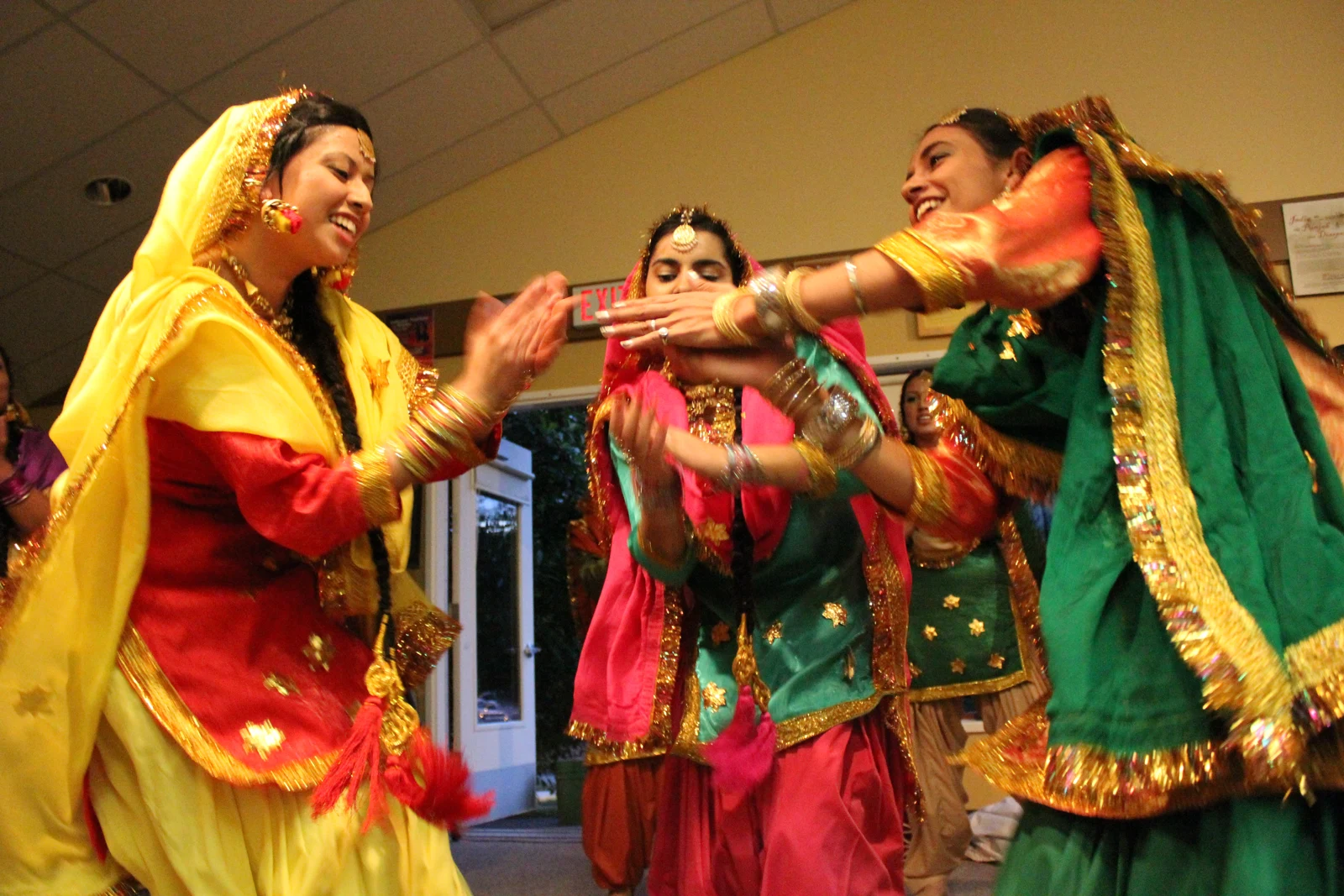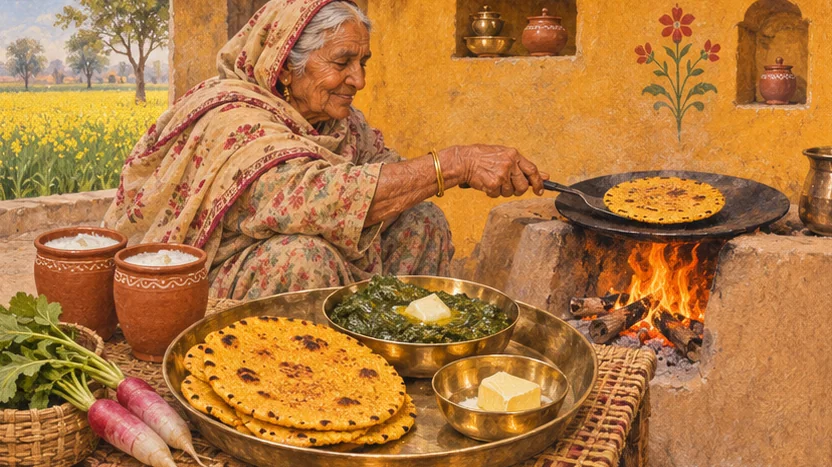
Sarson da saag ate makki di roti Punjab de mashhoor swaad ne, par rasoi da virsa inhan ton vadda ae. Dudh, daal, sabzi, roti ate gosht de vakh dhang kai gharan diyan kahaniyan ne. Puchho saag kis ne uggaeya, aata kis ne peehya ate pakauna kis ne sikhaya. Recipe de naal pind jaan shehar, mausam, maqami ingredient da naa, miktar ate ghar da badal likho. Ikk parivaar da tareeqa saare Punjab da ikko asli tareeqa nahi. Khet naal rishta jorho: ki ghar ugda, ki sambhalia janda ate ki khareedeya janda si? Cook di marzi naal naa ate tasveer di ijazat rakho.
Eh Punjabi saar tuhanu poore khoj-lekh wal lai janda ae. Tafseel ate hawale hethaan parho. Je tuhade ghar, pind jaan muhhalle di yaad is naal jurdi ae, taan apna tajurba thaan te same de naal sanjha karo; nijji yaad ate tasdeeq-shuda tareekh nu vakh pachhano.
Poora khoj lekh — English
The Government of Punjab, India, names sarson da saag and makki di roti among its well-known foods, alongside a wider cuisine of dairy, breads, pulses, vegetables and meat. A cultural food archive can go further than the restaurant menu: ask who grew the greens, milled the grain and taught the cook.
Our recipe collection begins as an invitation. Record the village or city, season, local ingredient names, quantities and family variations. A household recipe is one account, not the single authentic version for all Punjabi people. Include cooks of different faiths, communities and diets.
Connect kitchen knowledge to farming: which greens grew locally, what was preserved, what was bought, and what has changed? Before publishing someone else’s recipe or photograph, agree how the cook will be credited and what may be reused.