Sath di eh gall community nu khoj da sadda ae, har pind da ikko riwaaj hon da daava nahi. Kise layi milan di thaan vehra, kise layi rukh di chhaan, gali da mod jaan door mulkan di video call ae. Puchho kaun aunda si, mezbaani da kam kaun karda, gall kis bare hundi ate kis di awaaz ghatt sunai dindi si. Garamjoshi de naal haddan nu vi yaad karna apnapan di kahani nu mazboot karda ae. Family memories vich aam thaan, lagbhag saal ate bolan wale di marzi rakho. Nijji pate na deo. Apni vekhi gall, buzurg di yaad ate kitab di likhat nu vakh darj karo.
Eh Punjabi saar tuhanu poore khoj-lekh wal lai janda ae. Tafseel ate hawale hethaan parho. Je tuhade ghar, pind jaan muhhalle di yaad is naal jurdi ae, taan apna tajurba thaan te same de naal sanjha karo; nijji yaad ate tasdeeq-shuda tareekh nu vakh pachhano.
Poora khoj lekh — English
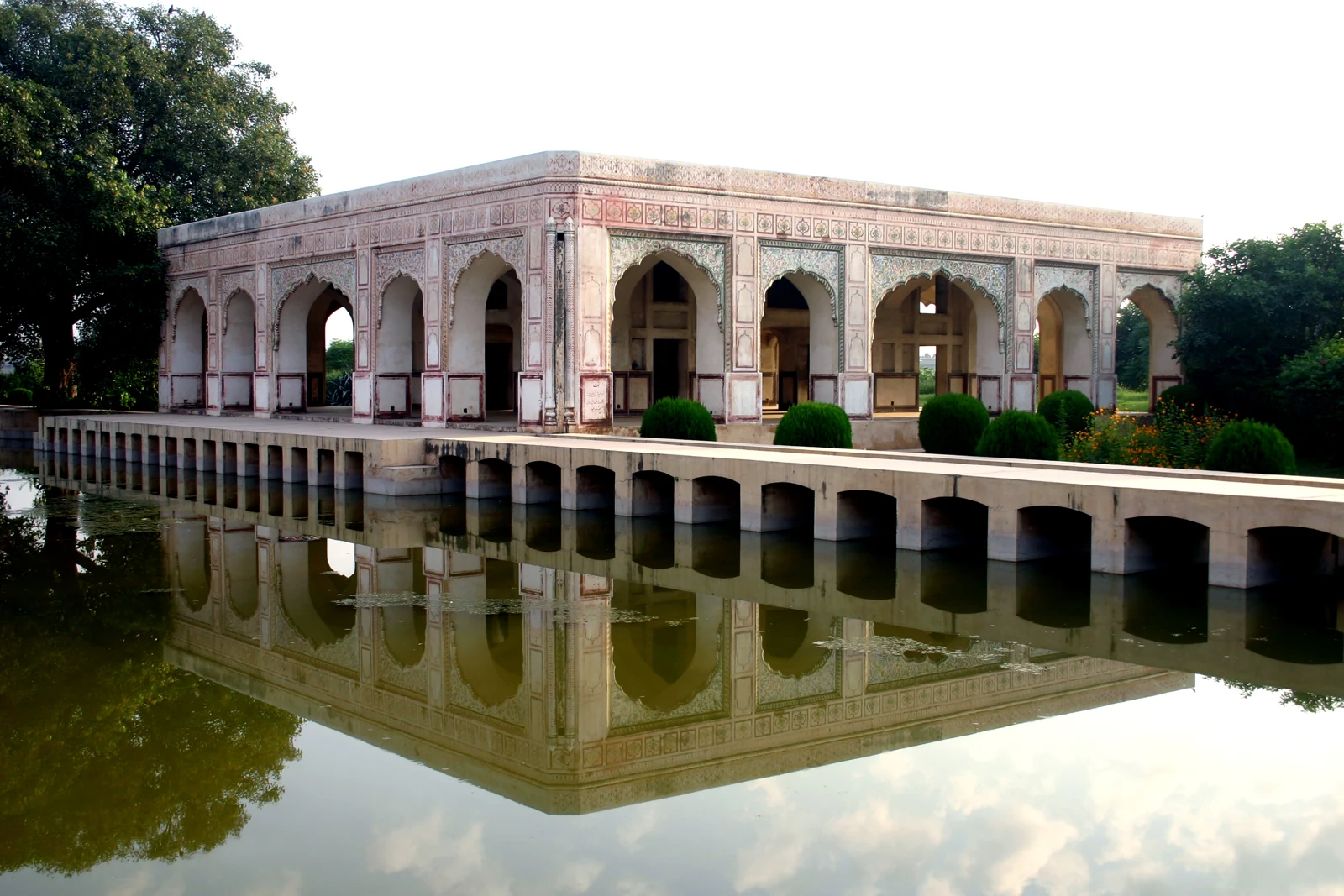
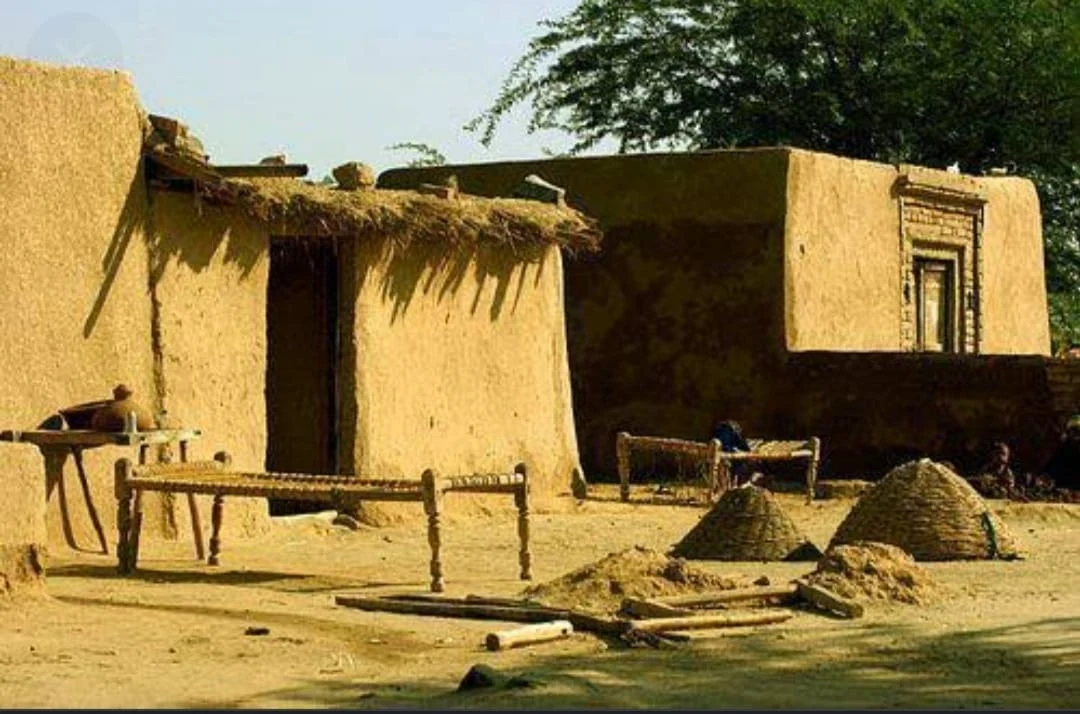
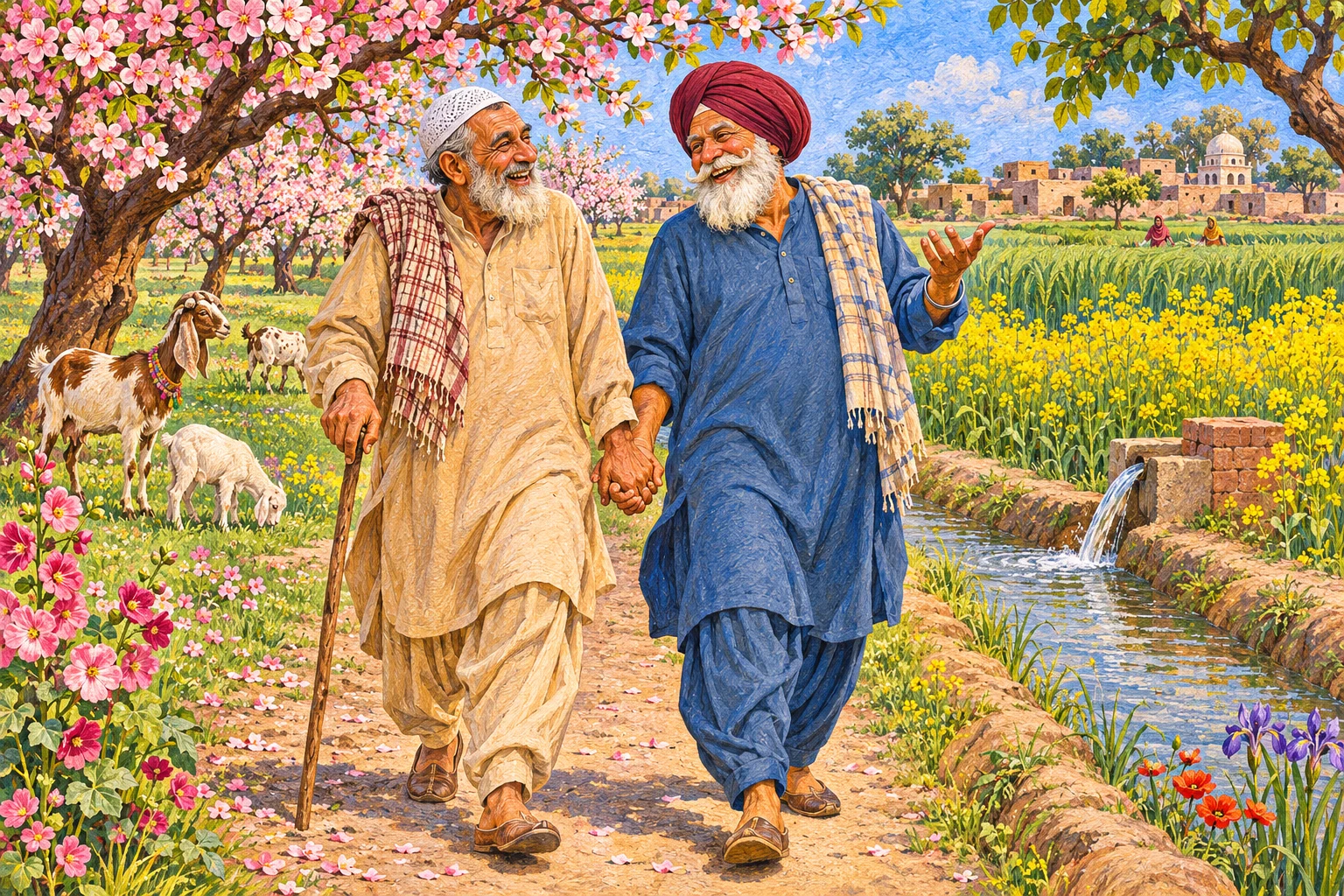
This is a community research invitation, not a claim that every Punjabi village shared the same customs. We want to document the words people use for a meeting place: a courtyard, a shaded tree, a street corner, a gathering of neighbours or a digital call across time zones.
Ask who was welcome, who did the work of hosting, what people discussed and whose voices were missing. An account of belonging is stronger when it includes both warmth and limits.
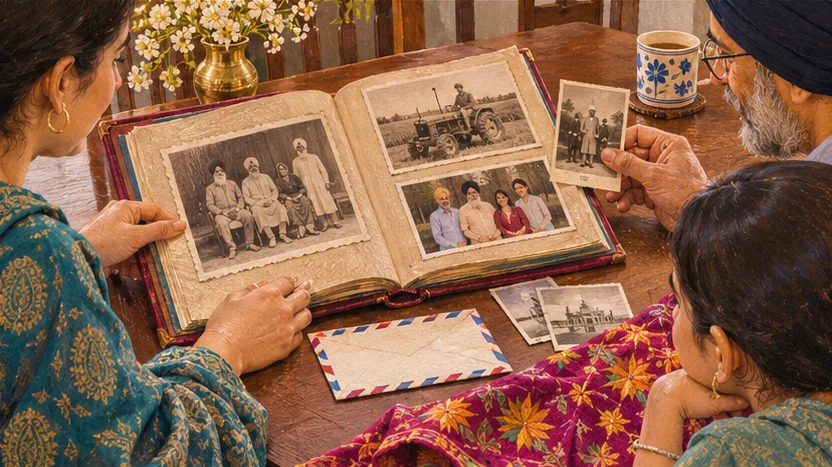
Start a Family memories conversation with a place, approximate year and the storyteller’s permission. Avoid exact private addresses. Distinguish what you saw yourself from what an elder remembers or what a book records.