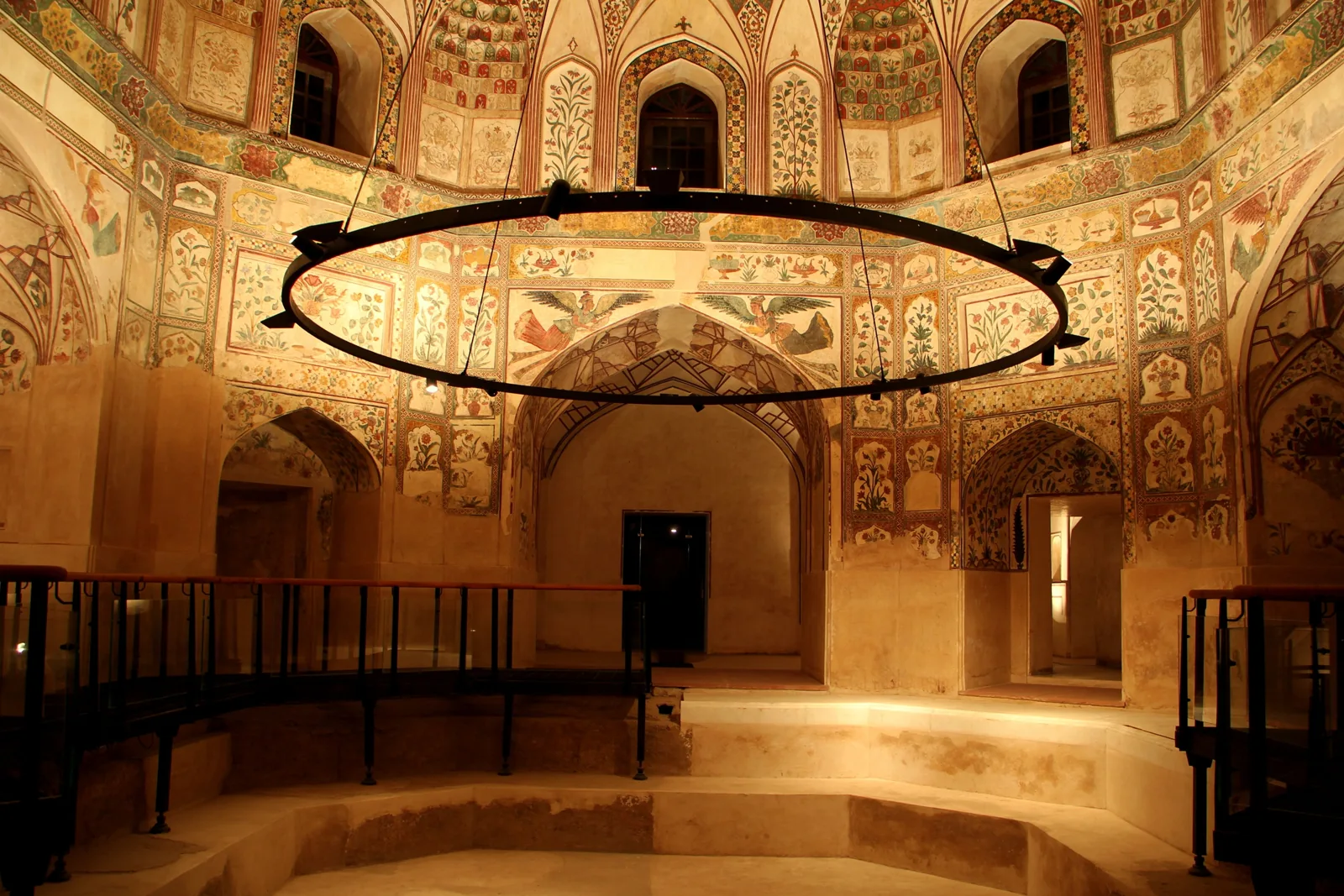
Shahi Hammam di conservation di documentation asal paani de raah, nikaas, garm karan de jaal, farsh ate Mughal fresco nu ikatthe samjhaundi ae. Nami ate dhaanche de nuksan naal najithna sirf rang murh laun da kam nahi. Imarat de jeewan vich paani di sambhaal, karigar ate naal di gali vi shamil ne. Punjabi architecture da archive hammam, khooh, talaab, vehre ate baradari de vakh samaa te maqsad jorh sakda ae. Purani aqal nave sawaal kholhdi ae, par har purana tareeqa ajj paani bachaunda ae, eh bina parkh nahi kehna. Dekhan vele sirf sajawat nahi, kam karan da poora dhang puchho.
Eh Punjabi saar tuhanu poore khoj-lekh wal lai janda ae. Tafseel ate hawale hethaan parho. Je tuhade ghar, pind jaan muhhalle di yaad is naal jurdi ae, taan apna tajurba thaan te same de naal sanjha karo; nijji yaad ate tasdeeq-shuda tareekh nu vakh pachhano.
Poora khoj lekh — English
Aga Khan Trust for Culture's Lahore documentation describes conservation of the Shahi Hammam's original waterworks, drainage and heating networks, the historic floor level and Mughal-period frescoes. Addressing moisture and structural decay formed part of the work.
This is a useful reminder that heritage conservation reaches beyond a decorative facade. Buildings depend on water management, skilled trades and the surrounding streets. A shared-Punjab architecture collection could compare documented bathhouses, wells, tanks, courtyards and pavilions while explaining their different dates and functions. Historical ingenuity should inspire questions and careful study rather than untested claims that every old technique saves water today.