Mitti di jaanch amendment ton pehlan sawaal saaf kardi ae. Pakistan Punjab diyan soil-water laboratories fertility ate site-specific salah dindian ne. ICAR de Fazilka ate Sri Muktsar Sahib de kujh ilaqian de record saline-sodic mitti te paani kharhan di mushkil dikhaunde ne; eh har Punjab da haal nahi. Hor paude jaan ghatt paani kehna asal nikaas di mushkil nu pachhaan nahi sakda. PAU-KVK Samrala di 2026 training parali nu saarn de badal ate munasib seeders naal nutrient recycling bare si. Machine di pahunch, bijai da vela, mehnat ate kharcha vi gall vich hon. Mitti da jeewan samajhan layi hisaab te maqami jaankari ikatthe chahide ne.
Eh lekh gall-baat te sikhhan di shuruaat ae. Apne khet layi faisla mitti, paani, mausam, kharche ate maqami maahir di salah naal karo. Tajurbe di thaan, tareekh, fasal ate natije likho; ikk changi misaal nu har zameen layi pakka waada na samjho.
Poora khoj lekh — English
Pakistan Punjab's soil and water laboratories offer fertility assessment and site-specific recommendations. This matters because adding an amendment without knowing the problem can waste money.
ICAR's field work in parts of Fazilka and Sri Muktsar Sahib documents saline-sodic conditions and waterlogging. Those findings should not be applied to every Punjabi district, but they show why 'use less water' and 'plant more trees' cannot replace local diagnosis.
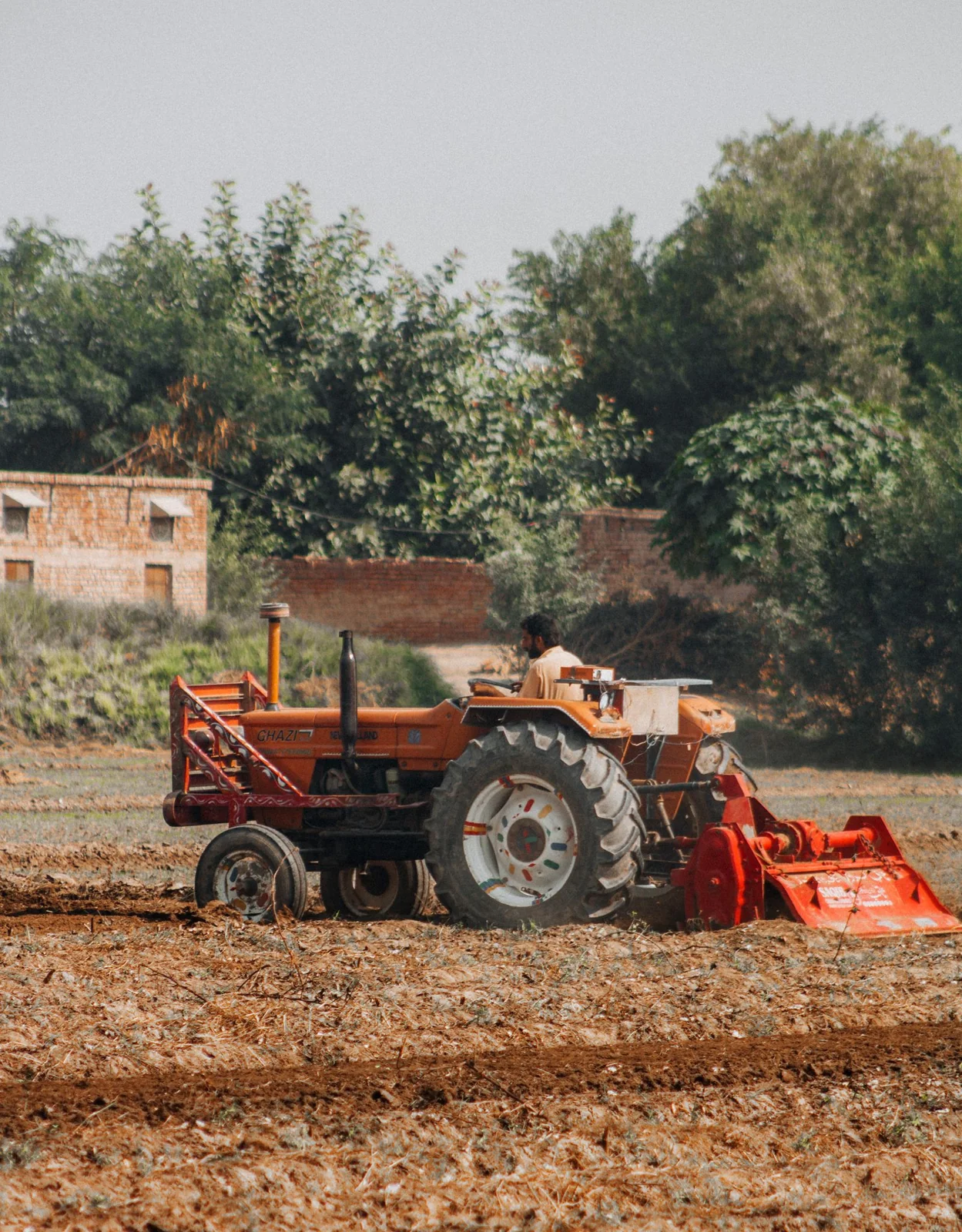
In October 2026, PAU-KVK Samrala trained farmers at Otalan in alternatives to residue burning, including nutrient recycling and in-situ management using suitable seeders. The practical discussion should include machinery access, sowing time, labour and cost alongside soil benefits.